Why Sirens Are Sounding Wednesday for Ohio's Statewide Tornado Drill
If you're in Ohio and hear the wail of sirens this Wednesday morning, don't panic. For many, the question will undoubtedly arise: "Why are these sirens sound Wednesday?" The answer is crucial for public safety: it's part of the annual Ohio Statewide Tornado Drill, a critical component of Severe Weather Awareness Week. This isn't an actual emergency, but a vital test of our community's readiness and warning systems, designed to ensure we're all prepared when real severe weather strikes.
Across the state, including key areas like Franklin County and Fayette County, outdoor warning sirens are scheduled to activate. This synchronized test serves as a powerful reminder for every Ohioan to review their own tornado safety plans. It's an opportunity to mentally walk through the steps you would take if a real tornado warning were issued, helping to ingrain good habits that could save lives.
Understanding the Ohio Statewide Tornado Drill: What to Expect
The Ohio Statewide Tornado Drill is a long-standing tradition aimed at bolstering our collective preparedness for severe weather. This Wednesday, at approximately 9:50 a.m. EST, residents throughout Ohio will hear the familiar sound of tornado sirens. This includes areas like Franklin County, which actively participates in the statewide initiative. For Fayette County, the test is scheduled slightly earlier, around 9:00 a.m. It's important to remember that these are synchronized, planned tests, not indicators of an immediate threat.
The sirens are expected to sound for approximately three minutes, simulating an actual tornado warning. This duration is typical for real-world scenarios, giving individuals enough time to react and seek shelter. The drill is a cornerstone of Severe Weather Awareness Week, a period dedicated to educating the public about the dangers of tornadoes, thunderstorms, and other severe weather phenomena common in the Midwest.
Key details for Wednesday's drill:
- When: Wednesday morning. Statewide test around 9:50 a.m. EST. Fayette County test around 9:00 a.m. EST.
- Duration: Sirens will typically sound for three minutes.
- Purpose: It is ONLY A TEST of the outdoor warning system and an opportunity for residents, schools, and businesses to practice their emergency plans.
- Important Note: If actual severe weather threatens on Wednesday, the drill will be postponed. Check local news and weather for updates.
- DO NOT CALL 911: Emergency lines must be kept clear for actual emergencies. Please do not call 911 in reference to this test.
Participation in this drill, even from the comfort of your home or office, is invaluable. It’s a chance to discuss with family or colleagues what to do, where to go, and how to stay informed during an actual tornado event. For more specific timings and details, you can read more at Ohio Tornado Drill: Sirens to Sound Wednesday at 9:50 AM.
The Critical Role of Outdoor Warning Sirens
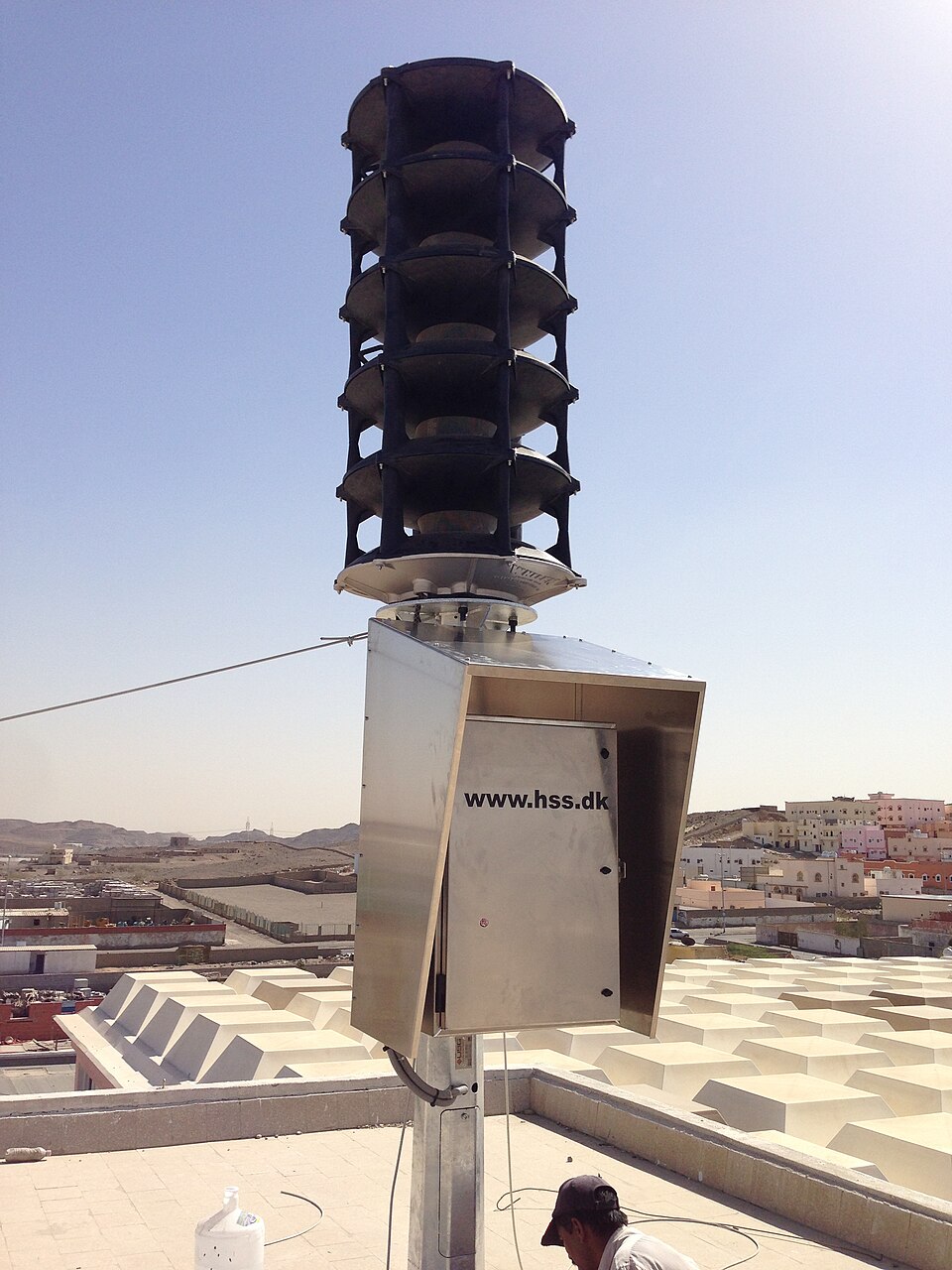
Outdoor warning sirens play a vital, albeit limited, role in a comprehensive severe weather alert system. Their primary purpose is to alert people who are outdoors to an immediate threat, giving them precious minutes to seek shelter. While powerful, they are not designed to be heard indoors, especially in modern, well-insulated homes or buildings. This limitation underscores the importance of having multiple ways to receive severe weather alerts.
Regular testing, such as the drill scheduled for Wednesday, is essential for several reasons:
- System Reliability: It verifies that the sirens are operational and functioning correctly, ensuring they will work when truly needed.
- Public Familiarity: Frequent testing familiarizes the public with the sound of the sirens, reducing confusion and increasing the likelihood of appropriate action during an actual warning.
- Community Preparedness: The test acts as a statewide trigger, prompting communities, schools, and businesses to conduct their own drills and review safety protocols.
While the sirens alert those outside, it’s critical for everyone to understand that they are just one piece of the puzzle. Relying solely on outdoor sirens for indoor notification is a dangerous misconception. This drill is a perfect moment to consider what other alert systems you use and whether they are sufficient for your household.
Beyond the Siren: Comprehensive Tornado Preparedness
Hearing the sirens sound Wednesday is a cue for preparedness, not panic. While the drill is a test, it's an opportunity to practice what you would do in a real tornado warning. Being truly prepared for a tornado involves more than just knowing what a siren sounds like; it requires a multi-faceted approach to safety.
Developing a Family Emergency Plan
Every household should have a detailed emergency plan. This plan should include:
- Designated Safe Place: Identify the safest place in your home, typically an interior room on the lowest floor, away from windows. Basements, storm cellars, or an interior bathroom or closet are ideal.
- Meeting Point: Establish an outdoor meeting point for family members if your home becomes unsafe.
- Communication Strategy: Discuss how you will communicate if separated. Texting is often more reliable than calling during emergencies.
- Practice: Regularly practice your plan, especially with children, so everyone knows exactly what to do.
Emergency Kit Essentials
A well-stocked emergency kit is non-negotiable for any severe weather event. Consider including:
- Non-perishable food and water (at least a three-day supply)
- Battery-powered or hand-crank radio
- Flashlight and extra batteries
- First-aid kit
- Whistle to signal for help
- Dust mask and plastic sheeting/duct tape for sheltering-in-place
- Wrench or pliers to turn off utilities
- Manual can opener for food
- Local maps
- Cell phone with chargers and a backup battery
- Prescription medications and glasses
- Infant formula and diapers, if applicable
- Pet food and extra water for your pet, if applicable
- Cash and important family documents
Other Essential Warning Systems
Since outdoor sirens are limited, it's crucial to have multiple ways to receive alerts, especially when indoors or asleep:
- NOAA Weather Radio: A dedicated weather radio with tone alert capability is a must-have. It broadcasts continuous weather information directly from the nearest National Weather Service office.
- Wireless Emergency Alerts (WEA): These are free alerts sent to compatible mobile phones during emergencies. Ensure your phone settings allow these critical alerts.
- Local News & Weather Apps: Many local TV and radio stations, as well as dedicated weather apps, offer push notifications for severe weather in your area.
- Social Media: Follow your local emergency management agency and National Weather Service office on social media for real-time updates.
Staying Informed and Safe in Ohio
Being prepared for severe weather goes beyond reacting to a siren; it's about being proactive and informed. Knowing the difference between a tornado watch and a tornado warning is fundamental. A watch means conditions are favorable for tornadoes to develop, so you should stay alert and have your plan ready. A warning means a tornado has been sighted or indicated by radar, requiring immediate action to seek shelter.
The Ohio Statewide Tornado Drill is more than just a sound test; it's a call to action for every resident to take personal responsibility for their safety and the safety of their loved ones. Use this Wednesday's siren test as your prompt to engage in preparedness conversations, check your emergency kit, and review your family's safety plan. Your diligence today can make all the difference tomorrow.
As the sirens sound Wednesday, let it serve as a powerful reminder of Ohio’s commitment to safety and our collective ability to face severe weather with confidence. By understanding the purpose of the drill, familiarizing ourselves with warning systems, and having a solid emergency plan in place, we empower ourselves and our communities to stay safe when the unexpected happens.