Statewide Siren Test Wednesday: What to Know & When to Hear Them
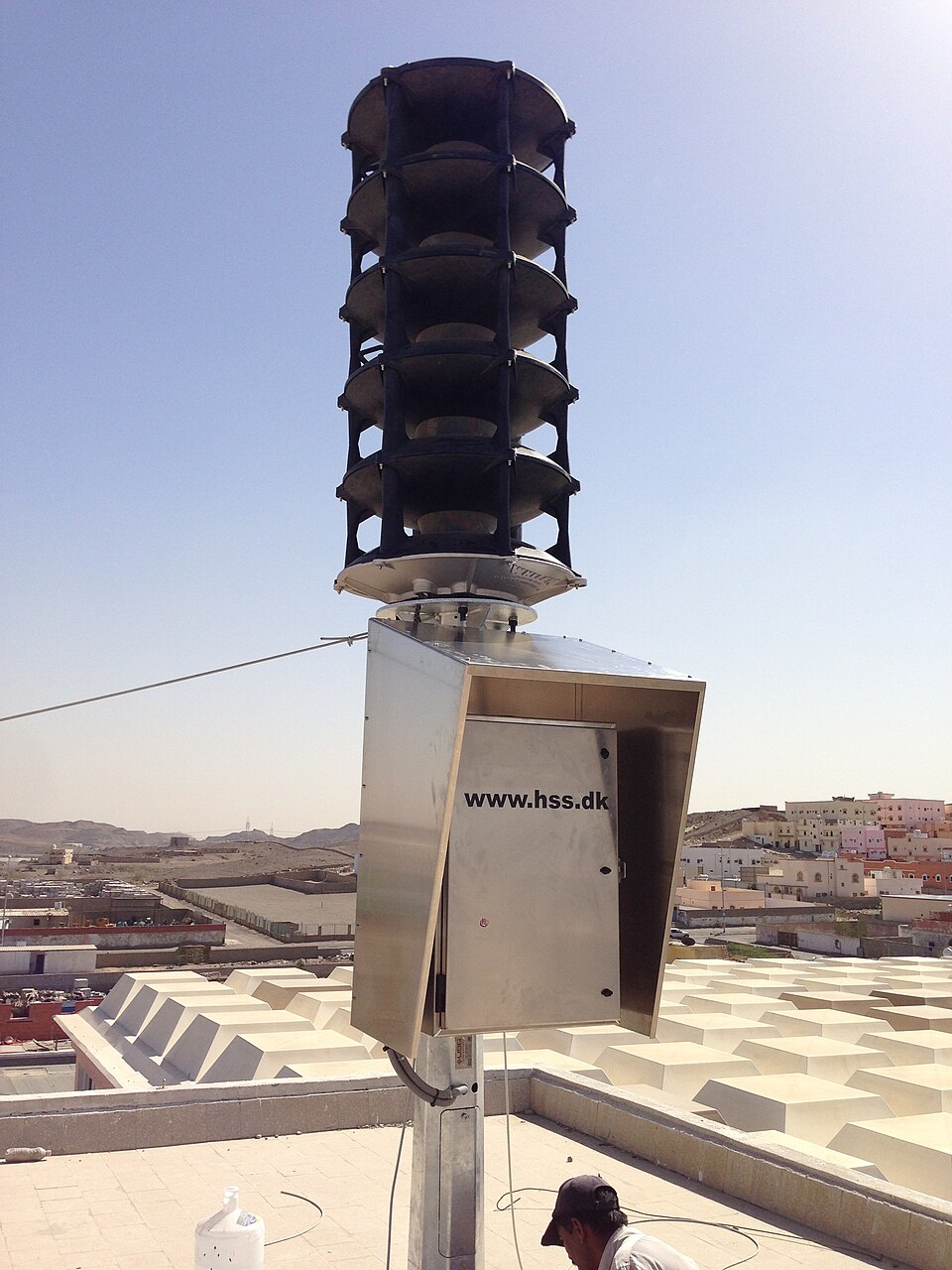
Heads up, residents across Ohio! This Wednesday, you might hear a familiar, albeit unsettling, sound pierce the morning quiet: the blare of emergency sirens. But before you jump to conclusions or panic, know this: when those sirens sound Wednesday, it's overwhelmingly likely to be part of a crucial, routine test.
Across various counties and as part of a statewide initiative, emergency outdoor warning systems are scheduled for a comprehensive test. This essential exercise isn't a cause for alarm but rather a vital component of Severe Weather Awareness Week, designed to ensure our communities are prepared and our emergency systems are fully functional ahead of prime tornado season. Understanding the schedule, purpose, and proper response to these tests is key to maintaining public safety and peace of mind.
Understanding the Wednesday Siren Test: What to Expect
This Wednesday marks a significant day for public safety officials and residents alike, as emergency sirens will be activated in various capacities across Ohio. The primary purpose? To conduct an audible test of the outdoor warning siren systems, ensuring they are in working order and familiarizing the public with their sound.
One of the most prominent drills taking place is the Ohio statewide tornado drill. As part of this crucial exercise, tornado sirens are expected to sound for a duration of three minutes, specifically at 9:50 a.m. This statewide event is a cornerstone of Severe Weather Awareness Week, offering a practical demonstration of what residents should expect during an actual weather emergency. It's a synchronized effort designed to test the communication chains and the public's understanding of siren signals.
In addition to the statewide drill, individual counties may also conduct their own tests. For instance, the Fayette County Department of Fire and Emergency Services has announced an outdoor warning siren test scheduled for Wednesday, February 9th, at approximately 9 a.m. This localized test, much like the statewide drill, serves to verify system functionality and readiness. Regardless of your specific location within Ohio, if you hear the sirens sound Wednesday morning, it's paramount to remember one critical fact: THIS IS ONLY A TEST.
It's equally important to heed the directive from emergency services: Please do not call 911 in reference to this test. The 911 system is reserved for genuine emergencies. Unnecessary calls can tie up crucial lines and resources that could be needed for real-time incidents. In the rare event that severe weather actually threatens on the day of the test, the siren test will typically be postponed to a later date, often Friday of the same week, to avoid confusion and ensure public safety.
Why Do We Test Emergency Sirens? The Importance of Preparedness
While the sudden blare of sirens can be startling, these regular tests are far from arbitrary. They are a critical component of a comprehensive public safety strategy, serving multiple vital functions that contribute to community resilience and preparedness. Understanding the motivations behind these crucial drills can better equip communities, which is why we've also explored Why Sirens Are Sounding Wednesday for Ohio Tornado Drill.
Ensuring System Functionality and Reach
The most immediate reason for testing is to confirm that the emergency siren system itself is fully operational. Much like a smoke detector, a siren system is only effective if it works when needed. These tests allow emergency management agencies to:
- Verify Equipment Operation: Check batteries, speakers, activation mechanisms, and communication lines to ensure every component functions correctly.
- Assess Coverage: Determine if the sound carries effectively across the designated areas, identifying any "dead zones" where additional sirens or alternative warning methods might be necessary.
- Troubleshoot Issues: Pinpoint and address any malfunctions before a real emergency strikes, ensuring that when severe weather does threaten, the warning system is reliable.
Educating and Desensitizing the Public
Regular siren tests also play a crucial role in public education and awareness. For many, the sound of an emergency siren can instinctively trigger panic. By conducting routine tests, communities help to:
- Familiarize Residents: Ensure that new residents, children, and those who may not have experienced a real emergency understand the distinct sound of the local outdoor warning sirens.
- Reinforce Protocol: Use the test as a prompt to remind people of the appropriate actions to take when an actual warning is issued (e.g., seek shelter, tune into local news).
- Reduce False Alarms: By clearly distinguishing between a test and a real event, communities can prevent unnecessary panic or complacency during genuine emergencies.
Supporting Broader Emergency Preparedness Efforts
Siren tests are not isolated events; they are integrated into larger initiatives like Severe Weather Awareness Week. These weeks are dedicated to encouraging individuals, families, and businesses to review and update their emergency plans. The sound of the sirens serves as a powerful reminder to:
- Create or Review Emergency Kits: Does your family have a go-bag with essential supplies, food, water, and first aid?
- Establish Family Communication Plans: How will your family connect if separated during an emergency? Do you have an out-of-state contact?
- Identify Safe Places: Do you know the safest interior room or basement location in your home, school, or workplace?
In essence, when the sirens sound Wednesday, it's not just a noise; it's a valuable drill, a check of vital equipment, and a community-wide nudge to take preparedness seriously.
Your Role When Sirens Sound (For Real and For Practice!)
The siren test this Wednesday offers a perfect opportunity to reflect on what you would do if the warning were real. While it's important not to panic during the test, it's equally crucial to understand your role when emergency sirens activate under genuine threat conditions. Being prepared can make all the difference.
During the Test (This Wednesday):
- Remain Calm: Remember, it's a drill. There is no immediate danger.
- Do NOT Call 911: Emergency lines must remain open for actual emergencies.
- Use as a Reminder: Take this opportunity to check your family's emergency plan, review your safe places, and ensure your emergency kit is up to date.
- Discuss with Family: Talk to children and other family members about what the siren sound means and what actions they should take during a real emergency.
During an Actual Emergency (When Sirens Really Mean Danger):
If sirens sound outside of a scheduled test (especially during threatening weather conditions or other emergencies), your immediate actions are vital:
- Seek Immediate Shelter: For tornado warnings, this means moving to the lowest level of a building (basement or storm cellar), an interior room on the lowest floor, or a designated community shelter. Stay away from windows and exterior walls.
- Tune into Local News and Weather Radio: Sirens are designed to alert those outdoors. Once indoors, you need to get more detailed information. Turn on your NOAA Weather Radio, local TV news, or trusted radio stations for specific instructions and updates.
- Stay Informed: Have multiple ways to receive alerts. This could include smartphone apps, weather alert services, and local government alert systems.
- Protect Yourself: If no sturdy shelter is available, lie in a ditch or other low-lying area and cover your head and neck with your arms.
- Follow Official Instructions: Emergency officials will provide guidance on specific threats and necessary actions, such as evacuation routes or shelter-in-place orders.
Proactive Steps for Enhanced Safety:
- Develop a Family Emergency Plan: Discuss with your family what you will do in different scenarios, where you will meet, and how you will communicate.
- Build an Emergency Kit: Prepare a "go-bag" with at least three days' worth of non-perishable food, water, first aid supplies, a flashlight, extra batteries, a whistle, and any necessary medications.
- Know Your Safe Zones: Identify the safest places in your home, workplace, and children's school for various types of emergencies.
- Sign Up for Local Alerts: Many communities offer text or email alert systems for emergency notifications. Check your local emergency management agency's website for details.
By understanding both the purpose of Wednesday's test and the critical steps for real emergencies, you empower yourself and your loved ones to respond effectively when it matters most.
Frequently Asked Questions About Siren Tests
The sound of emergency sirens, even during a test, often prompts questions from the public. Here are some answers to common queries regarding statewide and local siren tests:
Will all sirens sound across the entire state simultaneously?
Not necessarily all at the exact same moment. While there is a designated statewide tornado drill time (e.g., 9:50 a.m. for Ohio), individual counties or municipalities may conduct their tests at slightly different times, as seen with Fayette County's approximately 9 a.m. test. However, within the areas participating in the statewide drill, sirens are typically activated in a synchronized fashion.
How long will the sirens sound for this Wednesday?
For the Ohio statewide tornado drill, the sirens are expected to sound for approximately three minutes. Local tests, like the one in Fayette County, usually adhere to a similar duration, but it's always good to check with your specific county's emergency management agency for precise details.
What if I don't hear the sirens in my area?
If you don't hear the sirens during the designated test time, it could be due to several factors:
- Distance: Outdoor warning sirens are primarily designed to alert individuals who are outdoors. They may not be audible inside homes or buildings, especially with windows closed, air conditioning running, or other ambient noise.
- System Malfunction: While unlikely for an entire area, individual sirens can sometimes malfunction.
- Coverage Gaps: Even well-maintained systems can have small areas where sound doesn't carry effectively.
Is it okay to call 911 to confirm if it's just a test?
Absolutely NOT. It is crucial to remember that 911 is for genuine emergencies only. Calling 911 to inquire about a siren test ties up valuable resources and communication lines that could be desperately needed for a real-life emergency. Information about scheduled tests is widely disseminated through local news, official websites, and social media channels.
What happens if there's actual severe weather on the day of the test?
If actual severe weather, such as thunderstorms or a tornado watch/warning, is threatening the area on the day of a scheduled test, the test is typically postponed. Emergency management agencies prioritize real-time safety. For example, the Fayette County test mentioned that it would be postponed until Friday, Feb. 11th, if severe weather threatened. Always check local news and official alerts for updates on postponements.
Are these outdoor sirens the only way to receive emergency alerts?
No. Outdoor warning sirens are just one part of a multi-layered warning system. It's essential to have multiple ways to receive alerts, especially when indoors. Other reliable sources include:
- NOAA Weather Radio All Hazards (NWR): A nationwide network broadcasting continuous weather information directly from the nearest National Weather Service office.
- Wireless Emergency Alerts (WEA): Text-like messages sent to mobile phones in targeted areas by authorized government agencies.
- Local TV and Radio Broadcasts: Stay tuned to local news channels for up-to-the-minute information.
- Smartphone Apps: Many weather apps and official emergency management apps provide alerts.
- Social Media: Follow official local government and emergency management accounts.
Understanding these FAQs can help clarify any doubts and reinforce the importance of these public safety drills.
Conclusion
When the sirens sound Wednesday across the state, remember it's a planned event, a necessary exercise designed to keep our communities safe and prepared. This comprehensive test of outdoor warning systems, alongside the statewide tornado drill, is a testament to Ohio's commitment to emergency preparedness and public safety. It's not a moment for panic, but for pausing and reflecting on your own readiness.
Use this statewide siren test as your cue. Take a few moments to review your family's emergency plan, update your emergency kit, and discuss safe procedures with your loved ones. By understanding the purpose of these drills and knowing how to act during a real emergency, you contribute to a more resilient and informed community. Stay alert, stay informed, and most importantly, stay safe.